
401(h) Plan Distributions and Claims: How Retirees Get Paid
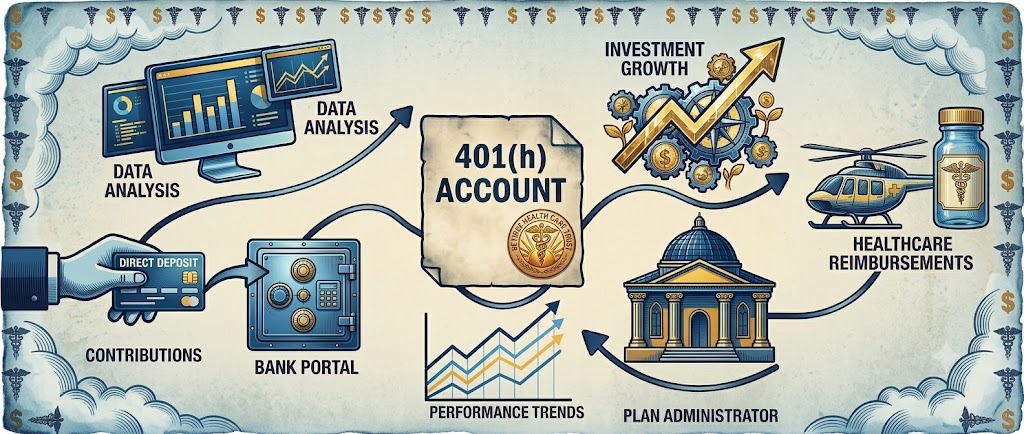
Retirees access their 401(h) benefits through a well-defined claims process, ensuring eligible expenses are reimbursed according to the plan's specific terms and conditions.
Contents
Understanding Your 401(h) Plan
A 401(h) plan is a unique component that can be added to a qualified pension or annuity plan, specifically designed to provide health benefits for retirees, their spouses, and dependents. It operates on a tax-advantaged basis, allowing employers to pre-fund future medical expenses for their former employees. Unlike a traditional 401(k), which focuses on retirement income, a 401(h) is dedicated solely to healthcare costs, offering a crucial financial safeguard during retirement years when medical expenses can be substantial.
The primary benefit of a 401(h) is its tax-advantaged nature. Contributions to the 401(h) account are tax-deductible for the employer, and the trust earnings grow tax-free. When retirees receive distributions for legitimate medical expenses, these benefits are typically tax-free, creating a significant advantage over using post-tax income or taxable investment gains to cover healthcare costs. Understanding the specific provisions of your individual 401(h) plan is the first step in maximizing its value.
What Counts as a Qualifying Expense?
Eligibility is defined by your specific plan document, always operating within the scope of applicable IRS regulations. These guidelines ensure that only legitimate healthcare costs are reimbursed, maintaining the tax-advantaged status of the plan. It's crucial for retirees to familiarize themselves with their plan's particular definition of 'qualifying medical expenses.' While there are common categories, variations can exist.
Common categories of reimbursable expenses often include certain health insurance premiums, such as those for Medicare Parts B and D, Medicare Advantage plans, and supplemental Medigap policies. In some designs, long-term care insurance premiums may also qualify. Additionally, a wide array of out-of-pocket medical costs—like deductibles, co-pays, prescription medications, vision care, and dental care—are typically covered. The overarching principle is that the expense must generally qualify as a medical expense under Code Section 213(d).
The Importance of Proper Substantiation
Reimbursement from your 401(h) plan generally requires meticulous substantiation of each expense. This means providing clear, auditable documentation to prove that the expense was incurred and that it qualifies under the plan's rules. Without proper documentation, a claim may be denied, as the plan administrator needs to ensure compliance with IRS regulations.
Acceptable forms of substantiation typically include official receipts from service providers, Explanation of Benefits (EOB) statements from your insurance carrier, or detailed statements from healthcare providers. These documents should clearly show the date of service, the type of service, the amount charged, and the portion you are responsible for. Maintaining strong substantiation discipline protects both the retiree, by ensuring timely reimbursement, and the plan, by safeguarding its tax-qualified status and preventing improper distributions.
Who Manages the Claims Process?
Most plan sponsors, particularly those managing substantial 401(h) plans, opt to outsource the day-to-day claims workflow to a Third-Party Administrator (TPA). These TPAs specialize in retiree medical benefits and possess the expertise required to efficiently and accurately process claims while adhering to complex regulatory requirements.
The TPA's role is critical. They are responsible for receiving claims, verifying eligibility, substantiating expenses, and issuing reimbursements to retirees. They also ensure that documented procedures are followed consistently and that reporting aligns with requirements for filings such as Form 5500, which provides annual information about employee benefit plans to the IRS and Department of Labor. This outsourcing allows the plan sponsor to focus on overall plan governance while leveraging the TPA's operational efficiency and compliance knowledge. It also provides a dedicated, impartial resource for retirees to submit and track their claims.
Understanding Your Retirement Health Benefits Strategically
Effectively utilizing your 401(h) benefits requires more than just understanding the claims process; it demands a strategic approach to your overall retirement healthcare funding. Consider how your 401(h) integrates with Medicare, supplemental insurance, and any other retiree health benefits you might have.
Proactive planning can significantly enhance the value you derive from your 401(h). Regularly review your plan documents, attend any informational sessions offered by your former employer or TPA, and understand how changes in healthcare laws or your personal health situation might impact your benefits. By staying informed and organized, you can ensure your 401(h) contributions effectively cover your eligible medical expenses throughout your retirement.
Frequently asked questions
Availability, tax treatment, and plan design depend on the facts and circumstances of the employer, plan document, participant group, and applicable law. 401h.com provides general educational information only — not tax, legal, actuarial, investment, or ERISA advice. Consult qualified tax, legal, actuarial, and plan professionals.
401h.com Editorial
401h.com
The 401h.com editorial team publishes plain-English explainers on 401(h) retiree medical benefit plans. Educational only — not tax, legal, actuarial, investment, or ERISA advice.
Related articles
How 401(h) Plans Can Help Fund Retiree Medical Expenses
Pre-funding retiree medical benefits brings discipline to one of retirement planning's biggest unknowns. Here's how 401(h) sub-accounts contribute to that picture.
Can 401(h) Plans Pay Medicare Premiums?
While 401(h) plans can cover medical expenses, whether they cover Medicare premiums hinges on specific plan design and applicable laws. Understand how your 401(h) plan addresses these vital healthcare costs.
401(h) Plan Spouse and Dependent Coverage: How It Works
401(h) plans can be a powerful tool for funding retiree healthcare, and understanding how they extend to spouses and dependents is crucial. This article explains the key considerations for 401(h) spouse coverage.